
Partners in Digital
Infrastructure








MD7 is on a mission to help connect the world and, in doing so, impact the lives of people and communities.
Founded in 2003, MD7 has deep roots in expanding and managing networks at scale and has grown to provide comprehensive expertise to operators throughout the world. We understand digital infrastructure requires disciplined management and investment in a rapidly advancing landscape.
As the leading global provider of digital infrastructure consulting, we believe in extreme partnership and a personalized approach to every opportunity. Our team members, working in service of operators, are driven by integrity, mutual respect, and commitment to deliver for our partners.
Our Purpose
Enable our partners to realize the potential of connected technologies
Our Vision
Unlimited possibilities in a world connected
Our Core Values

INTEGRITY
Be honest and truthful with everyone, both inside and outside the company.

RESPECT FOR
THE INDIVIDUAL
Each person is of equal value. Treat each person as you would want to be treated.

EXTREME
SERVICE
Exceed expectations.

CONTINUOUS
IMPROVEMENT
Always look for ways to improve how we do things.

BALANCED LIFE
Work smarter, not longer.

GIVING BACK
Give back to the community, both locally and globally.
A Higher Standard
MD7 is certified to ISO 9001:2015 and other key international standards.

Our Leadership
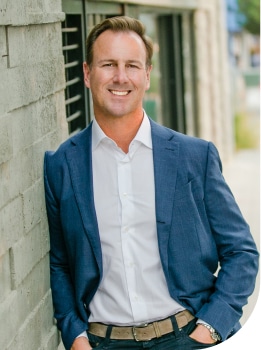
Michael Gianni
Chairman & CEO
Michael founded MD7 in 2003 with a desire to positively impact people around the world through the potential of connected technologies and a dedication to service. As CEO, he is responsible for all business activity globally and focuses on developing relationships with operators in support of a more connected world. Michael is proud of MD7’s culture and works every day to ensure the organization lives its core values.
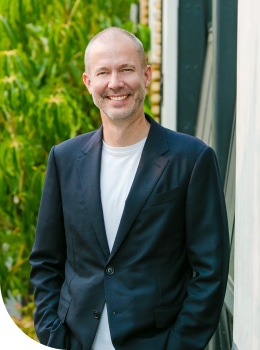
Mark Christenson
President
Mark loves impacting the world by connecting people through building and managing digital infrastructure. He is responsible for championing the growth of our customers externally and our colleagues internally, as well as implementing culture and values across MD7. Mark has served at MD7 since 2003.
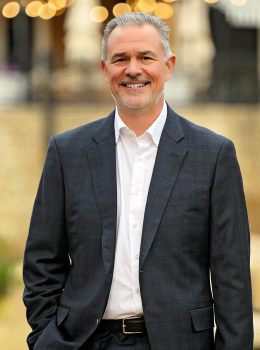
Tom Leddo
Chief Strategy Officer
Tom is driven by the possibilities of connected technologies for people throughout the world and understands what it takes to make that happen. He is responsible for realizing the strategic priorities of MD7, enabling all stakeholders to understand the company’s objectives. In his time at MD7, Tom has held leadership positions in operations, customer service, sales, and marketing, and he has proudly served our team members and partners since 2004.
Lynn Whitcher
General Counsel
Lynn is dedicated to the vision of a more connected world - where digital infrastructure enhances our lives through access, innovation, information, and meaningful connection. She is a recognized thought leader, published author, and speaker driving conversations that shape the future of connectivity and the ways we connect. Lynn oversees legal operations, compliance, and risk management worldwide. She joined the team in 2013.
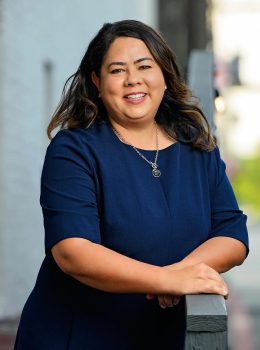
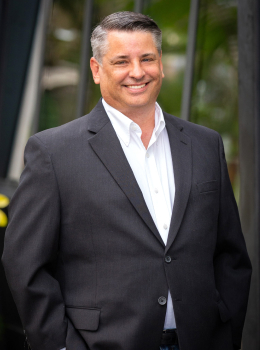
Scott Belie
Chief Technology Officer
Scott thrives in dynamic and fast-growing environments and provides MD7 and its clients with insights and technology to build the networks of today and tomorrow. He leads our global IT team, including the overseeing the advancement of our flagship LiveTrack operations platform, which plays a pivotal role in boosting our operational effectiveness, developing industry insights, and adapting to the fluid landscape of our customers. Scott previously served as a technology consultant for MD7 for over a decade before joining the team as CTO in 2021.
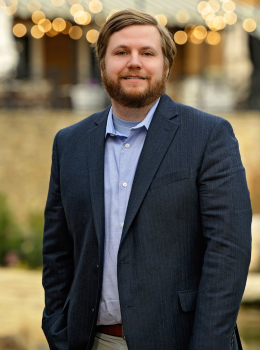
Ben Estes
Vice President of Operations
Ben is passionate about growing teams and programs to serve our partners. He leads our operations and delivery teams to provide Extreme Service by leaning on the Core Values of MD7. Ben has served in a variety of legal and leadership positions since joining MD7 in 2014, including serving three years in Europe as Vice President of International Operations.
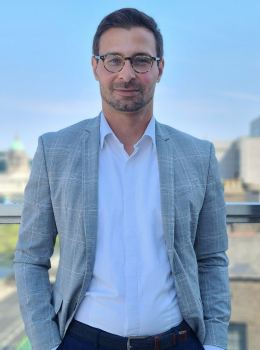
Aaron Rodrigo
Vice President of Renewable Infrastructure
Aaron is inspired by and driven to develop and manage the underlying network infrastructure that will revolutionize how we live, drive, and connect. He oversees the planning and advancement of MD7’s renewable infrastructure sector globally, including the e-mobility charging sector throughout Europe. Aaron joined our team in 2011, as one of the first international employees and has served as the head of project and program management, corporate strategy, training, and international financial management, including carbon accounting.